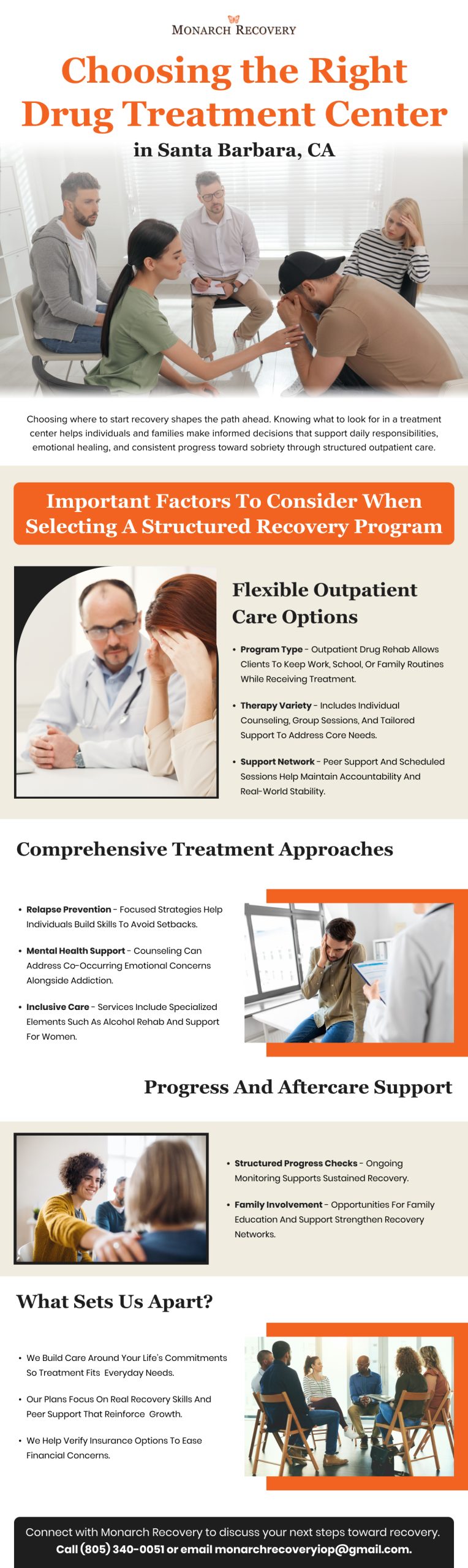
The Journey to Healing
Addiction and mental health disorders can feel overwhelming. Many individuals face these challenges daily. However, understanding these issues is the first step toward recovery. In this post, I will share insights and strategies to help navigate this journey.
What is Addiction?
Addiction is a complex condition. It often involves compulsive behavior despite harmful consequences. Many people think of addiction as solely related to substances like alcohol or drugs. However, it can also include behaviors such as gambling or excessive internet use.
Signs of Addiction
Recognizing the signs of addiction is crucial. Common indicators include:
- Increased Tolerance: Needing more of a substance or behavior to achieve the same effect.
- Withdrawal Symptoms: Experiencing physical or emotional symptoms when not using the substance or engaging in the behavior.
- Neglecting Responsibilities: Failing to fulfill obligations at work, school, or home due to the addiction.
If you notice these signs in yourself or a loved one, it’s essential to seek help.
Understanding Mental Health Disorders
Mental health disorders encompass a range of conditions that affect mood, thinking, and behavior. These disorders can significantly impact daily life. Some common mental health disorders include:
- Depression: A persistent feeling of sadness and loss of interest.
- Anxiety Disorders: Excessive worry or fear that interferes with daily activities.
- Bipolar Disorder: Characterized by extreme mood swings, including emotional highs and lows.
The Connection Between Addiction and Mental Health
There is a strong link between addiction and mental health disorders. Many individuals struggle with both issues simultaneously. This dual diagnosis can complicate treatment. It’s essential to address both the addiction and the underlying mental health disorder for effective recovery.
Seeking Help
Finding the right support is vital. Treatment options vary based on individual needs. Here are some common approaches:
- Therapy: Individual or group therapy can provide a safe space to explore feelings and develop coping strategies.
- Medication: In some cases, medication may be necessary to manage symptoms of mental health disorders.
- Support Groups: Connecting with others who share similar experiences can be incredibly beneficial.
The Role of Treatment Centers
Treatment centers play a crucial role in recovery. They offer structured programs tailored to individual needs. At Monarch Recovery, we focus on providing a supportive environment where individuals can heal. Our goal is to help you achieve lasting sobriety and mental wellness.
Building a Support System
A strong support system is essential during recovery. Surround yourself with people who understand your journey. This can include friends, family, or support groups. Open communication is key. Share your struggles and triumphs with those who care about you.
Coping Strategies for Recovery
Developing healthy coping strategies can aid in recovery. Here are some effective techniques:
- Mindfulness and Meditation: Practicing mindfulness can help reduce stress and improve emotional regulation.
- Physical Activity: Regular exercise can boost mood and overall well-being.
- Healthy Eating: A balanced diet can positively impact mental health.
Embracing the Journey
Recovery is a journey, not a destination. It takes time and effort. Celebrate small victories along the way. Each step forward is a step toward a healthier, happier life.
Conclusion
Understanding addiction and mental health disorders is crucial for recovery. By seeking help and building a support system, you can navigate this challenging journey. Remember, you are not alone. Many resources are available to support you on your path to healing.
For more information on how to begin this journey, visit Monarch Recovery.